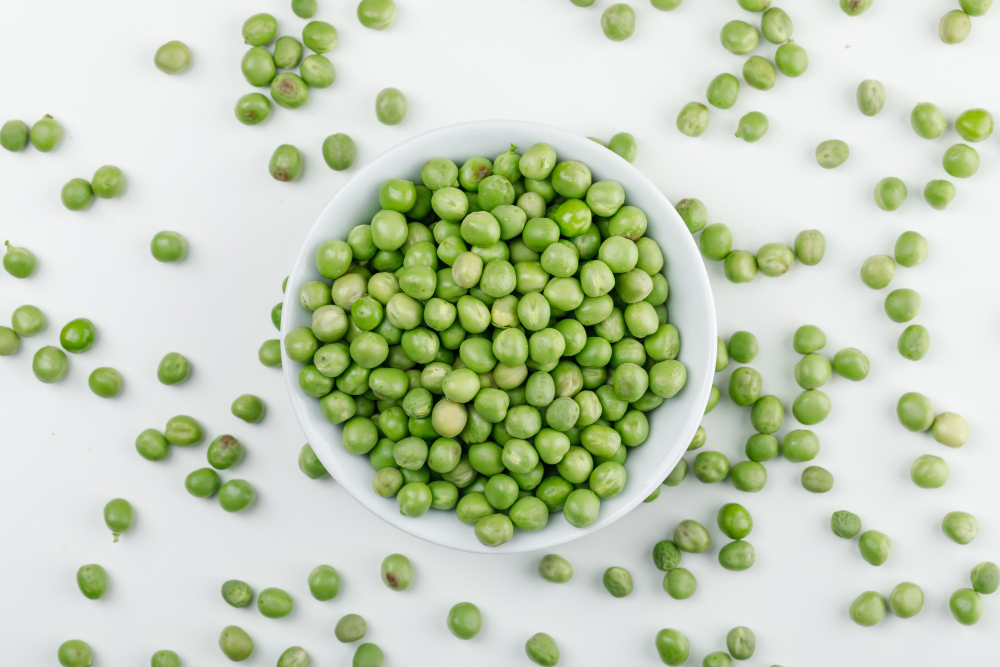
Whether you’re skipping peas due to allergies, texture aversions, high carb count, or simply personal taste, you’re not alone in wondering what to use in their place.
Despite their small size, Peas play a surprisingly versatile role in a range of dishes, from delivering a pop of sweetness and vibrant green color in a creamy risotto to lending protein and bulk to hearty stews or colorful salads.
However, for many, peas are either too starchy, mushy, or too strongly flavored to work well. So what happens when a recipe calls for peas, and you’d rather not go there? You don’t have to skip the dish or strip it of color and texture.
There are countless substitutes; some are well-known, while others are underrated, but they can effectively replace peas in both flavor and function.
However, not all green pea substitutes are equivalent for all uses. Some are better suited for cooked, hot applications. Others shine in cold salads or mixed into dips.
Some add color and crunch, while others mimic the starchy texture or protein content of peas. Choosing the proper alternative depends on the role peas played in your original dish.
This manual explores every meaningful substitute you can use instead of peas, not briefly but thoroughly, demonstrating when and why each works.
Whether you’re avoiding legumes entirely or just skimming to branch out from peas, you’ll find options here to suit any dish.
Legume-Free Substitutes for Peas
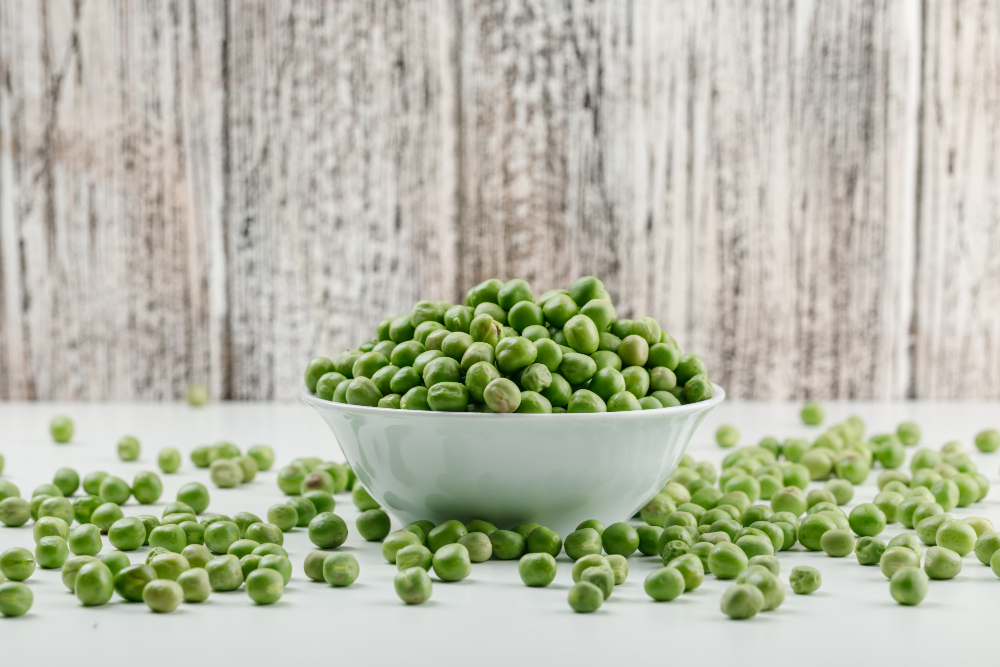
For many people, peas fall into the broader category of legumes that are off-limits, either due to dietary limitations, carb sensitivity (such as with keto or diabetic diets), or food allergies.
If you’re looking to replace peas with something that is not a legume at all, these are your go-to choices.
Green Beans: The Closest Non-Legume Cousin
Green beans are a versatile alternative to peas because they are a vegetable similar to a pea in appearance. They offer that familiar green hue and can replicate the tender yet crisp texture when lightly steamed or sautéed.
Diced into small pieces, green beans can seamlessly replace peas in everything from casseroles to stir-fries, offering a similar visual presence without the starchiness.
Their flavor is milder and slightly grassy, but they can absorb seasoning beautifully when appropriately cooked.
Zucchini: A Neutral, Absorbent Alternative
Zucchini is another fantastic substitute, especially for warm dishes like soups or pasta. When diced small and lightly sautéed or roasted, zucchini develops a soft bite without becoming mushy.
It’s mild, adaptable, and absorbs the flavors of your dish. While it lacks the natural sweetness of peas, a dash of caramelized onion or a sprinkle of herbs can round out its flavor in savory recipes.
Broccoli: For Bold Texture and Nutritional Depth
If you aim to introduce something bulkier with more fiber, such as broccoli florets chopped very small, you can stand in for peas in many cooked dishes.
Broccoli offers a firmer texture and satisfying bite, especially in pasta bakes, grain bowls, or stir-fries.
While it may visually and texturally depart from peas, it contributes more nutritional value and a more assertive flavor that works beautifully when you want the green element to stand out.
Asparagus: A Springtime Upgrade
When chopped into pea-sized pieces, asparagus is a seasonal favorite that adds elegance to risottos, quiches, and spring pasta.
Its earthy flavor and crisp-tender texture create a sophisticated substitute for peas. Thin stalks are ideal, but even thicker ones can be peeled and finely diced for balance.
Asparagus is especially fitting for recipes that pair peas with lemon, parmesan, or mint. It enhances those combinations without overpowering them.
Chopped Spinach (Cooked): For Leafy Softness
When you need something soft and green, cooked, chopped spinach can be stirred into dishes to create a similar mouthfeel to mashed or very tender peas.
While it doesn’t offer the same burst of texture, spinach works well in creamy soups, cheesy pasta, or egg dishes like frittatas. Be sure to drain it well to avoid watering down your meal.
Okra: For a Southern Twist
Okra is more polarizing but can be an ideal substitute for peas in stews, curries, and slow-simmered dishes.
When sliced thin and cooked, okra’s slightly mucilaginous quality can mimic the starchy-smooth effect peas sometimes give to sauces. It’s best used in bold-flavored dishes, where its unique texture becomes part of the charm.
Brussels Sprouts (Finely Chopped): Hearty and Hefty
Finely chopped or shaved Brussels sprouts can be used as a substitute for peas in roasted or sautéed dishes.
While they don’t offer the same sweetness, their nutty flavor and hearty texture provide richness and depth.
They work best in dishes with caramelized elements, such as bacon or balsamic glazes, where a subtle bitterness adds complexity.
Diced Bell Peppers: Colorful and Crunchy
If you’re making a cold salad or fresh wrap and want a vibrant green element with crunch, diced green bell peppers can stand in for peas.
Their sweetness is more peppery than sugary, but they offer a bright visual pop and satisfying bite.
Red and yellow peppers can also be used when you want a sweeter note and are less concerned about color.
Artichoke Hearts: Tender and Distinctive
When chopped small, marinated, or canned, artichoke hearts are an excellent addition to salads and pasta.
Their delicate tang and soft texture blend well in dishes where peas typically provide a gentle contrast. Artichokes are especially lovely in Mediterranean-style meals with olives, feta, or lemon.
Riced Cauliflower: Mild and Malleable
Riced cauliflower has a similar bite-size shape and a completely neutral flavor, making it a functional substitute when texture and appearance are more important than taste.
It’s great in fried rice, grain bowls, and casseroles, where peas serve more as a filler than a flavor.
Chayote and Kohlrabi: Crisp and Low-Carb
Both chayote and kohlrabi are lesser-known vegetables that offer a crisp, refreshing crunch when diced.
They work best in cold applications, such as slaws or lightly stir-fried dishes. Their mild sweetness and firm texture mimic young peas more than mature ones, and they’re excellent for those on carb-conscious or keto diets.
Diced Green Apple: Sweet and Crunchy (Cold Dishes Only)
Finely diced green apple is an inspired substitute for certain salads or cold side dishes where peas provide sweetness and texture.
It delivers crispness, gentle acidity, and that hint of sugar that peas often add to potato salads, tuna mixtures, or creamy dips.
Legumes That Can Replace Peas (If You’re Not Avoiding All Legumes)
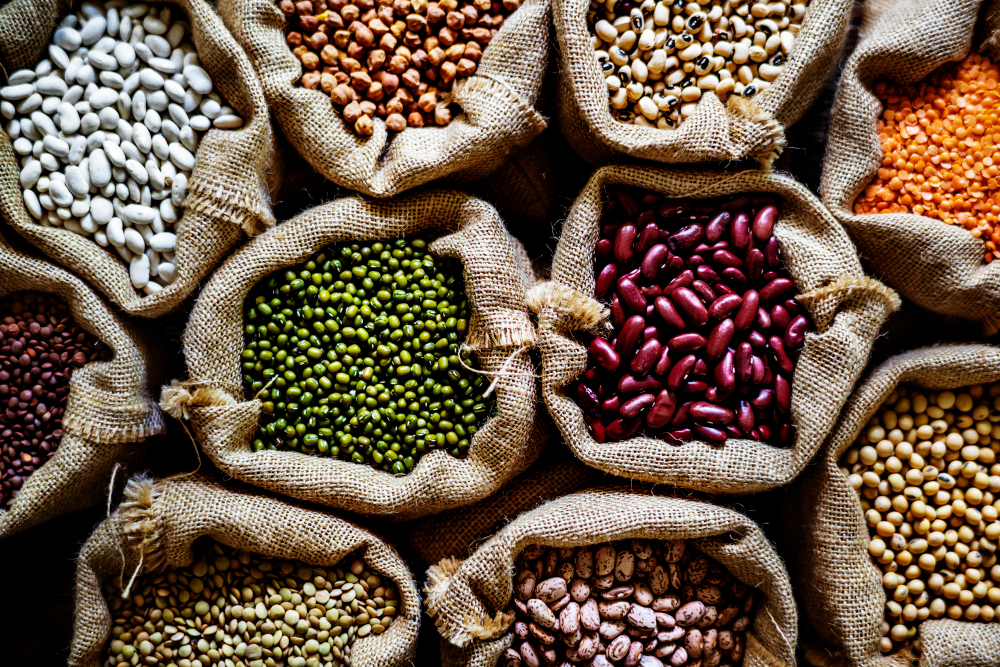
If you’re skipping peas due to preference rather than allergies or dietary limits, you might consider other legumes that offer similar or even enhanced properties.
Chickpeas: Sturdy and Versatile
Whether whole or slightly smashed, chickpeas offer a creamy interior and nutty taste, making them a great stand-in for peas in rice dishes, curries, and grain bowls. Roasted chickpeas can even bring a crunchier twist to salads or wraps. Here are some substitutes for chickpeas.
Lentils: Protein-rich and Adaptable
Green or brown lentils, in particular, work well as a substitute in stews, shepherd’s pie, and soups.
Their earthy flavor is deeper than peas, but they bring protein and fiber to the table in a way that enriches any dish. Lentils hold their shape when cooked correctly and blend seamlessly into savory dishes.
Edamame: Protein-Packed and Bright
Shelled edamame is an excellent pea substitute for those who want to retain the bright green color and a hint of sweetness.
It’s higher in protein, slightly firmer, and performs well in hot and cold dishes, from stir-fries to pasta salads.
Black Beans, Navy Beans, Fava Beans, and Mung Beans: Hearty Options
These beans offer varying degrees of creaminess and bite. Black beans are excellent for bold-flavored dishes, while navy beans are soft and mild, making them suitable for blended soups or creamy dishes.
Fava beans have a fresh, green flavor reminiscent of peas and pair well with seasonal pasta, but if you are out of fava beans, you can use these substitutes. Mung beans offer an earthy profile and are common in Asian cuisine. They are often sprouted for a crunchy effect.
Functional Substitutes Based on Purpose
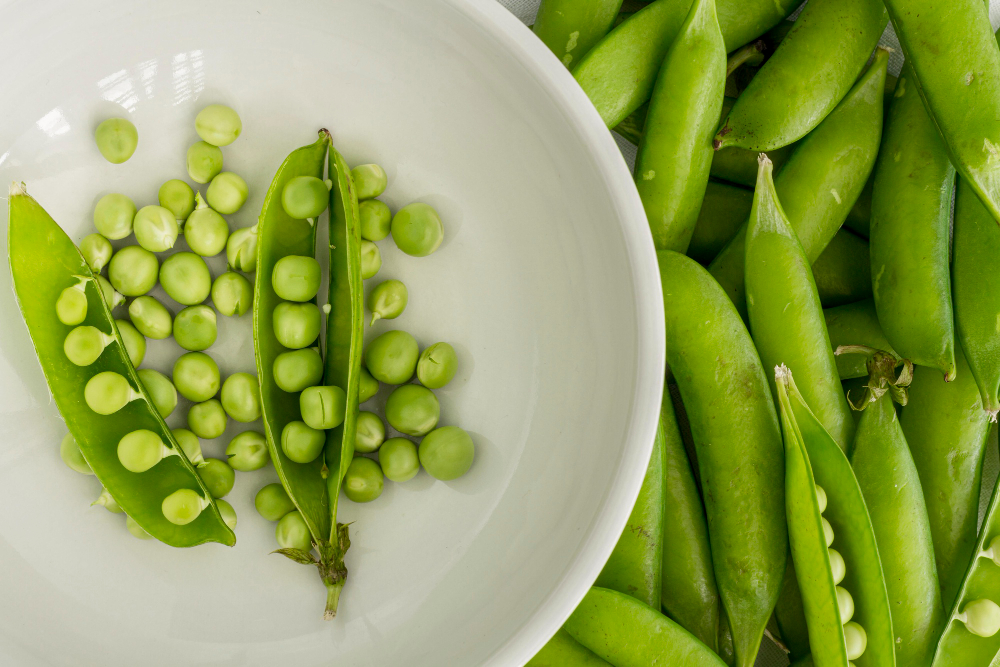
Some ingredients don’t mimic peas directly, but instead replicate what they bring to a dish, such as visual balance, creamy texture, or mild sweetness.
Hearts of Palm: Soft, Neutral, and Elegant
Chopped hearts of palm bring a soft bite and mild flavor that makes them a great alternative in creamy dishes or grain salads. Their pale color stands out differently, but their texture adds a touch of sophistication.
Diced Avocado: Creamy Richness for Cold Dishes
In dishes like salads, wraps, or even inevitable dips, avocado can replace peas to provide richness, healthy fats, and a beautiful green tone. They’re not ideal for heated dishes but shine when served cool.
Capers: Sharp and Salty with Texture
While quite different in taste, capers can offer a similar visual element and a small burst of flavor in dishes like potato salad or tuna salad. Their briny punch balances creamy ingredients well.
Cucumber and Celery: Fresh Crunch (Best for Cold Dishes)
Diced cucumber and celery offer a clean, refreshing crunch and work as stand-ins for peas in cold salads.
Due to their high water content and delicate structure, they are unsuitable for cooked dishes but bring brightness and snap when raw.
Final Thoughts
Peas are far from irreplaceable. Once you understand what peas do in your dish, whether it’s adding color, texture, sweetness, protein, or bulk, you can choose a substitute that elevates your meal rather than simply filling a gap.
Whether you’re making a rustic stew, a creamy risotto, or a bright salad, this guide offers a full spectrum of replacements that let you cook creatively without sacrificing flavor or functionality.
Instead of forcing peas into your meal, this might be your opportunity to transform it into something that perfectly suits your taste, dietary needs, and kitchen vision. To explore further substitutes, head over to thefoodnom.